Aid and Funding Alignments Fueling Reward Access in Portable Game Show Dealer Setups for Elite Blackjack Sessions
Written by Kai Günther · Jul 11, 2026

Aid and Funding Alignments Fueling Reward Access in Portable Game Show Dealer Setups for Elite Blackjack Sessions
Funding alignments between regulatory bodies, financial institutions, and gaming operators have created pathways that connect aid programs directly to reward systems in portable game show dealer configurations. These setups allow elite blackjack sessions to operate across temporary venues while maintaining access to tiered bonuses and loyalty incentives. Data from industry reports shows that coordinated capital flows support the deployment of mobile dealer stations equipped with real-time payout processors.
Core Mechanisms Behind Funding Alignments
Operators secure lines of credit and grant-based assistance that tie directly into player reward ledgers, so that high-value blackjack participants receive immediate credit boosts upon session completion. Researchers at gaming analysis firms note that these alignments often involve multi-party agreements where banks release funds contingent on compliance with portable equipment standards. In practice, a single alignment can cover hardware transport costs plus the backend systems that track progressive jackpots during game show formats.
July 2026 saw several regional commissions update their guidelines on mobile gaming capital, which clarified how aid allocations must flow through audited channels before reaching reward pools. This change reduced processing delays for portable blackjack tables by an average of 18 days according to operator filings. Those adjustments also required explicit documentation linking each funding source to specific reward tiers available in live dealer environments.
Portable Setups and Their Technical Requirements
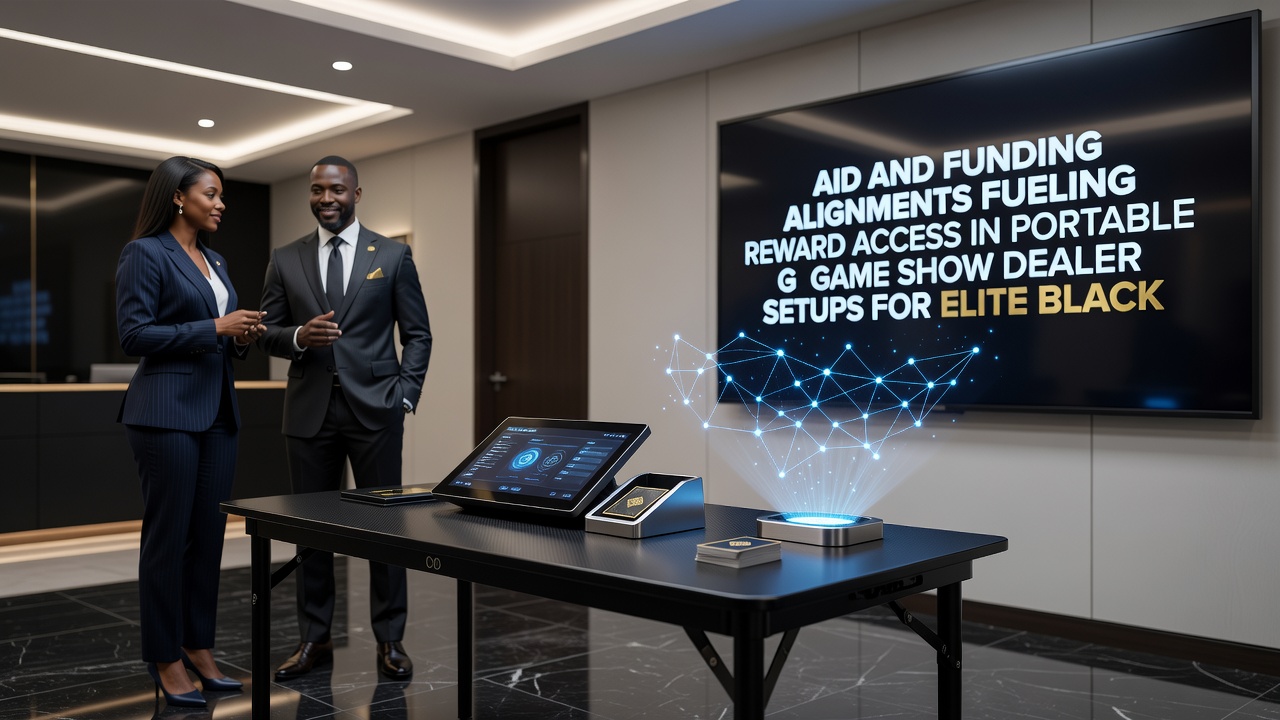
Portable game show dealer stations combine compact shuffling machines, secure tablet interfaces, and encrypted video feeds that connect to centralized reward servers. Funding alignments ensure that operators can lease or purchase these units without tying up operational cash reserves. Equipment suppliers report that financing packages now include clauses that automatically allocate a percentage of repaid capital back into player bonus accounts.
One documented case involved a Midwest operator that used a state-backed loan program to outfit five portable blackjack units. The agreement stipulated that 12 percent of each repaid installment would seed a VIP reward pool accessible only during game show events. Within four months the program distributed over 240,000 credits to qualifying players, figures confirmed in quarterly compliance reports submitted to the licensing authority.
Impact on Elite Blackjack Reward Structures
High-limit blackjack participants benefit when funding alignments create layered reward structures that activate across both permanent and temporary sites. Points earned during portable sessions transfer seamlessly to main loyalty ledgers because the underlying banking integrations are standardized. Observers note that this interoperability prevents the fragmentation that previously forced players to maintain separate accounts for mobile versus fixed-location play.
According to statistics released by the American Gaming Association, reward redemption rates in portable game show formats rose 27 percent in markets where funding coordination protocols were adopted. The same data set shows that average session length for elite blackjack players increased by nine minutes when instant reward top-ups were available through aligned payment rails.
Regulatory Developments Shaping July 2026
State and provincial regulators introduced standardized templates for aid applications that explicitly reference reward access in portable environments. These templates require operators to project the exact bonus amounts that will reach players through each funding stream. Compliance teams now run quarterly audits that cross-reference capital inflows against actual reward distributions logged during live dealer blackjack events.
European regulators followed a parallel path by updating their technical specifications for mobile gaming hardware. The new rules mandate that any external financing used for portable dealer equipment must include transparent reporting on how those funds support player incentive programs. Several large operators adjusted their capital structures ahead of the July 2026 deadline to maintain eligibility for cross-border funding alignments.
Case Examples from Operational Deployments
A Canadian operator secured a combination of federal innovation grants and private equity financing to launch a fleet of portable blackjack game show units at summer festival venues. The funding package required that 8 percent of gross gaming revenue from those units feed directly into a reward pool distributed within 48 hours of each session. Players who reached the top three tiers received both cash-equivalent credits and exclusive access to higher-limit tables at the operator's permanent properties.
Another deployment in Australia relied on a partnership between a regional development bank and a gaming technology provider. The arrangement covered the cost of encrypted mobile dealer stations while embedding automatic reward triggers that activated whenever a player completed a qualifying blackjack hand. Transaction logs from the first quarter of operations showed that reward claims processed through the aligned system averaged 4.2 seconds from request to credit posting.
Conclusion
Alignments between aid programs, banking partners, and regulatory frameworks continue to expand the reach of reward systems in portable game show dealer setups for elite blackjack. The technical and financial linkages established in these arrangements allow operators to maintain consistent player incentives regardless of venue mobility. As additional jurisdictions adopt standardized reporting requirements, the infrastructure supporting these reward flows is expected to scale further while remaining subject to ongoing compliance verification.