Decoding Authentication Layers That Streamline Access to Live Table Interactions in Portable Formats
Written by Wendy Baumann · Jul 28, 2026
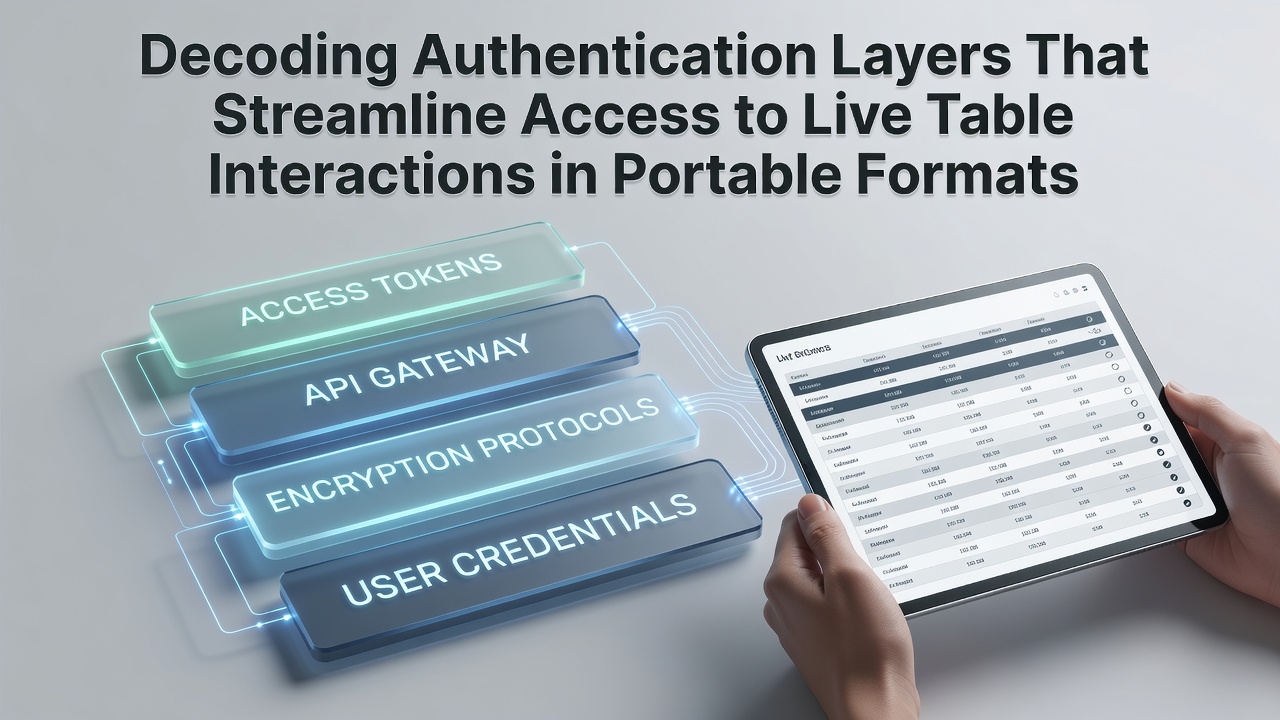
Decoding Authentication Layers That Streamline Access to Live Table Interactions in Portable Formats
Authentication layers in portable formats involve multiple verification steps that allow users to reach live table interactions without unnecessary delays, and these systems combine device recognition with biometric checks plus token-based confirmations to maintain security while enabling quick entry. Data from industry reports shows that operators in regulated markets have adopted layered protocols since early 2025, with further refinements appearing by July 2026 to address rising mobile traffic volumes.
Core Components of Modern Authentication in Mobile Gaming Environments
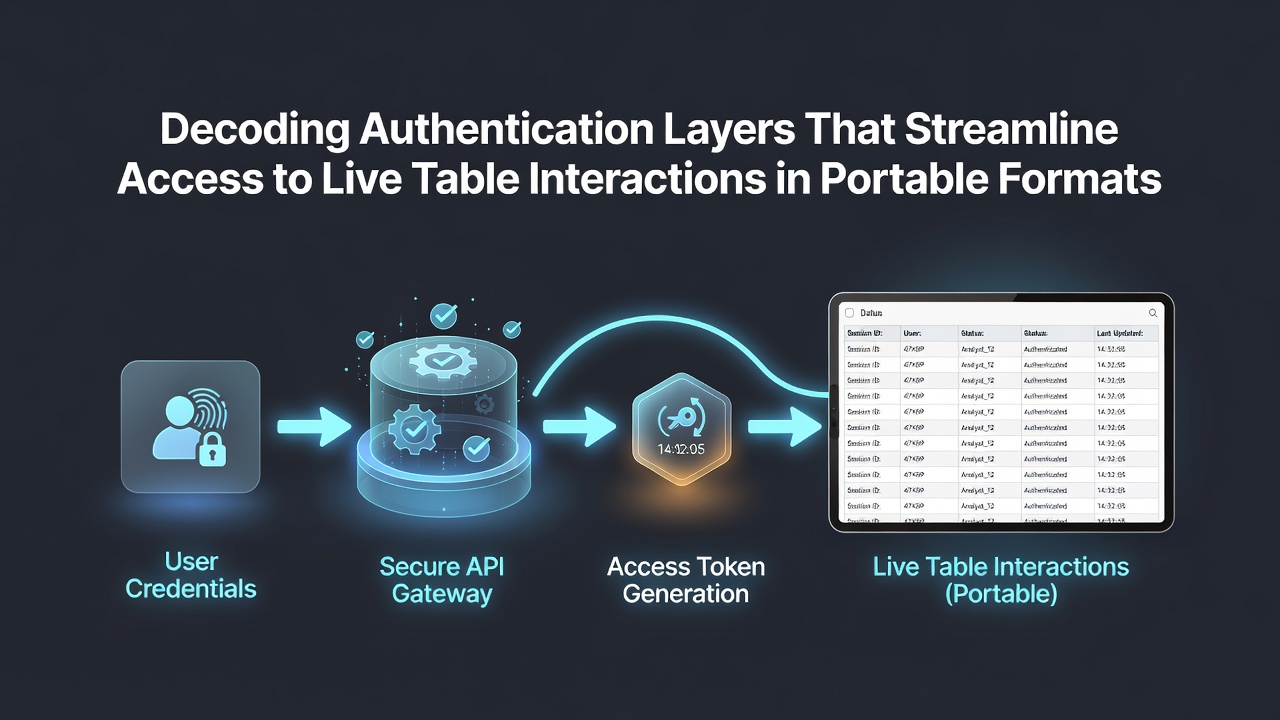
Portable devices require authentication sequences that verify identity across network connections, device hardware, and user behavior patterns, and these sequences often start with a basic login followed by secondary factors such as facial recognition or fingerprint scans. Researchers at institutions studying digital security have documented how single sign-on frameworks integrated with push notifications reduce the number of manual inputs needed for repeated access to live dealer sessions. Studies indicate that token expiration timers set between 15 and 30 minutes help balance convenience against unauthorized entry risks in high-volume environments.
Integration with Live Table Platforms
Live table interactions on smartphones and tablets depend on seamless handoffs between authentication servers and game streams, and operators achieve this through encrypted session keys that refresh automatically during active play. Figures from regulatory filings reveal that platforms handling roulette and blackjack tables in portable formats have cut average login times by incorporating hardware-backed secure enclaves on both iOS and Android systems. Those who manage these environments note that API gateways now handle real-time validation without interrupting video feeds or chat functions tied to table hosts.
Regulatory Developments Shaping Authentication Standards
By July 2026 several jurisdictions updated guidelines around digital identity verification for online gaming, and these changes emphasize adaptive authentication that adjusts based on transaction size or user location signals. The New Jersey Division of Gaming Enforcement published updated technical standards that require multi-factor confirmation for all portable access points, while similar directives from the Malta Gaming Authority focus on audit trails for every authentication event. Data compiled by academic teams at European universities shows compliance rates above 92 percent among licensed operators who implemented these layered controls during the first half of the year.
One study released in mid-2026 examined authentication logs across multiple markets and found that risk-based models flag fewer than 3 percent of sessions for additional checks when device reputation scores remain high. Observers tracking these metrics point out that integration with national identity databases in select regions has further shortened verification windows for returning users. Yet the same research highlights ongoing challenges when cross-border access requires alignment between different regulatory frameworks.
Technical Mechanisms Driving Efficiency
Encryption protocols such as TLS 1.3 combined with OAuth 2.0 flows allow portable applications to establish secure channels quickly, and these mechanisms support background re-authentication that occurs without user intervention during extended table sessions. Industry analyses indicate that passkey technology, built on FIDO2 standards, has gained traction because it replaces traditional passwords with device-bound cryptographic keys that resist phishing attempts. Those implementing these tools report smoother onboarding for new accounts while maintaining audit capabilities required by oversight bodies.
Case examples from operators in the Asia-Pacific region demonstrate how cloud-based authentication services scale during peak hours without introducing latency into live video streams. Researchers examining packet-level data note that edge computing nodes positioned near user locations reduce round-trip times for token validation by up to 40 milliseconds on average. Such improvements matter when multiple tables run simultaneously and players switch between formats within the same application.
Future Directions for Portable Authentication
Developments expected after July 2026 include wider testing of behavioral biometrics that analyze typing rhythms and swipe patterns, and these methods add another verification dimension without requiring explicit user actions. Reports from Canadian regulatory sources suggest pilot programs will evaluate continuous authentication models that monitor session integrity in real time. Academic papers published in 2026 emphasize the importance of user consent mechanisms that clearly explain what data each layer collects and how it protects access to live interactions.
Conclusion
Authentication layers continue to evolve in response to both technological advances and regulatory expectations across portable gaming formats. Evidence from multiple jurisdictions and technical studies shows measurable gains in access speed alongside sustained security levels when operators deploy coordinated verification systems. As mobile traffic grows, the frameworks described here provide the foundation for reliable live table participation while meeting oversight requirements in diverse markets.