Decoding the Interplay Between Adaptive Interface Designs and Incentive Delivery in Remote Dealer-Led Entertainment Formats
Written by Harper Long · Jul 7, 2026
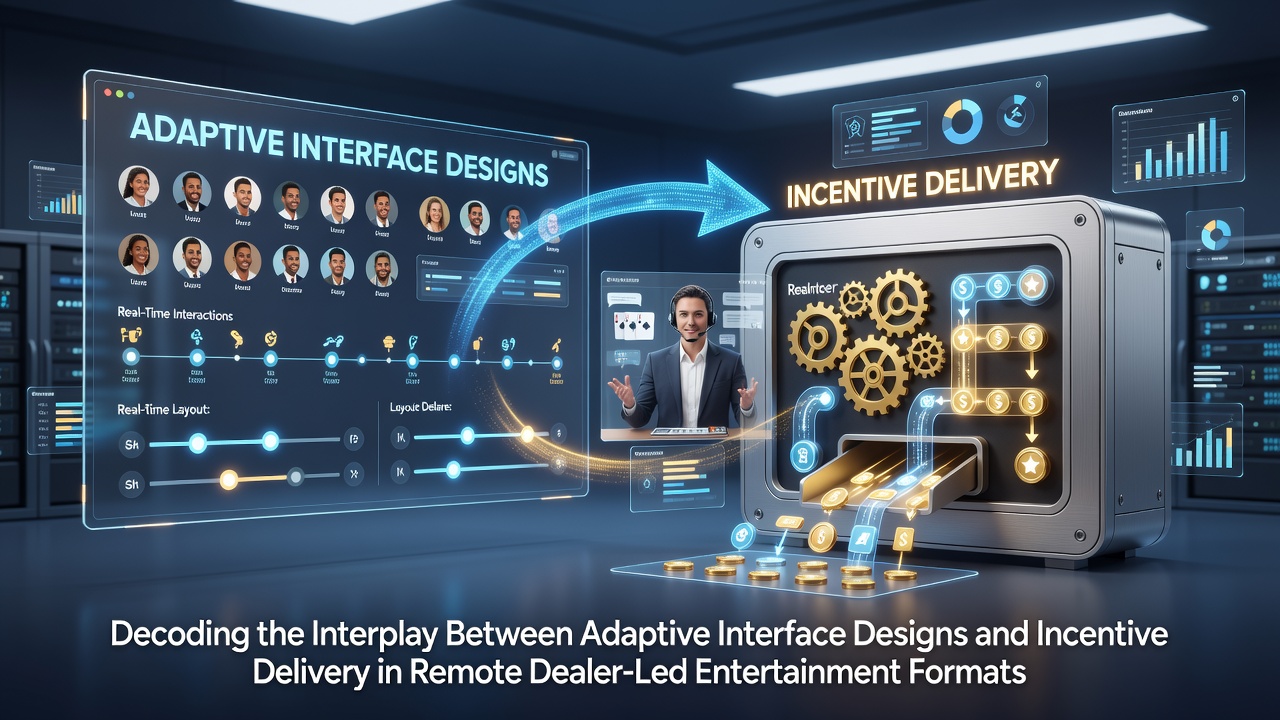
Decoding the Interplay Between Adaptive Interface Designs and Incentive Delivery in Remote Dealer-Led Entertainment Formats
Remote dealer-led entertainment formats rely on live video streams that connect players to human dealers across digital platforms, and adaptive interface designs play a central role in how those platforms respond to individual user patterns while incentive delivery mechanisms determine when and how rewards appear during active sessions. Research from industry technology providers shows that interfaces built with responsive algorithms adjust elements such as button placement, notification timing, and visual density based on device type, connection speed, and historical interaction data, whereas incentive systems track player behavior to release bonuses at moments that align with game flow rather than interrupting it.
How Adaptive Interfaces Respond to User Context in Live Dealer Environments
Developers integrate machine learning models that monitor screen size, touch patterns, and session duration to modify layouts on the fly, so a player using a tablet in landscape mode receives a wider dealer feed with side panels for stats while a smartphone user in portrait sees a condensed view that keeps critical controls within thumb reach. Data collected across platforms in 2025 indicated that such adjustments reduced session drop-off rates by approximately 18 percent in markets where mobile access dominates, and similar patterns continued into mid-2026 as more operators refined their systems. The same models also shift color contrast and font sizing when ambient light sensors or time-of-day data suggest evening play, keeping visual elements readable without requiring manual changes from users.
These interface changes extend to how game information layers appear during baccarat or roulette rounds, where card histories or bet histories can expand or collapse automatically depending on whether the player has interacted with those panels in previous rounds. Observers note that this reduces cognitive load while preserving access to dealer interactions that remain the core attraction of remote formats.
Mechanics of Incentive Delivery Within Streaming Sessions
Incentive delivery operates through backend systems that evaluate eligibility criteria such as deposit history, game volume, and loyalty tier status before triggering visible rewards, yet the presentation layer determines whether those rewards surface as persistent banners, quick-claim buttons, or post-round summaries. Platforms coordinate these triggers with the live stream so that a reload bonus activates during a natural pause between roulette spins rather than overlapping dealer announcements, which helps maintain immersion according to technical documentation from major software suppliers.
Timing algorithms draw on aggregated session data to predict low-engagement moments and place incentive prompts accordingly, while compliance checks run simultaneously to ensure offers meet jurisdictional requirements. Figures from regulatory filings in several North American and Asian markets reveal that synchronized delivery methods correlate with higher claim completion rates compared to static pop-up approaches used in earlier platform generations.
The Technical Overlap Between Design Adaptation and Reward Presentation
Adaptive interfaces and incentive systems share data pipelines that allow one to influence the other directly: when an interface detects reduced interaction speed it can trigger a simplified reward claim flow that minimizes steps, whereas sustained high engagement might surface tiered loyalty incentives that encourage continued play without altering core game visuals. This interplay relies on real-time APIs that pass player state variables between the frontend renderer and the rewards engine, enabling both components to react within the same video frame cycle.
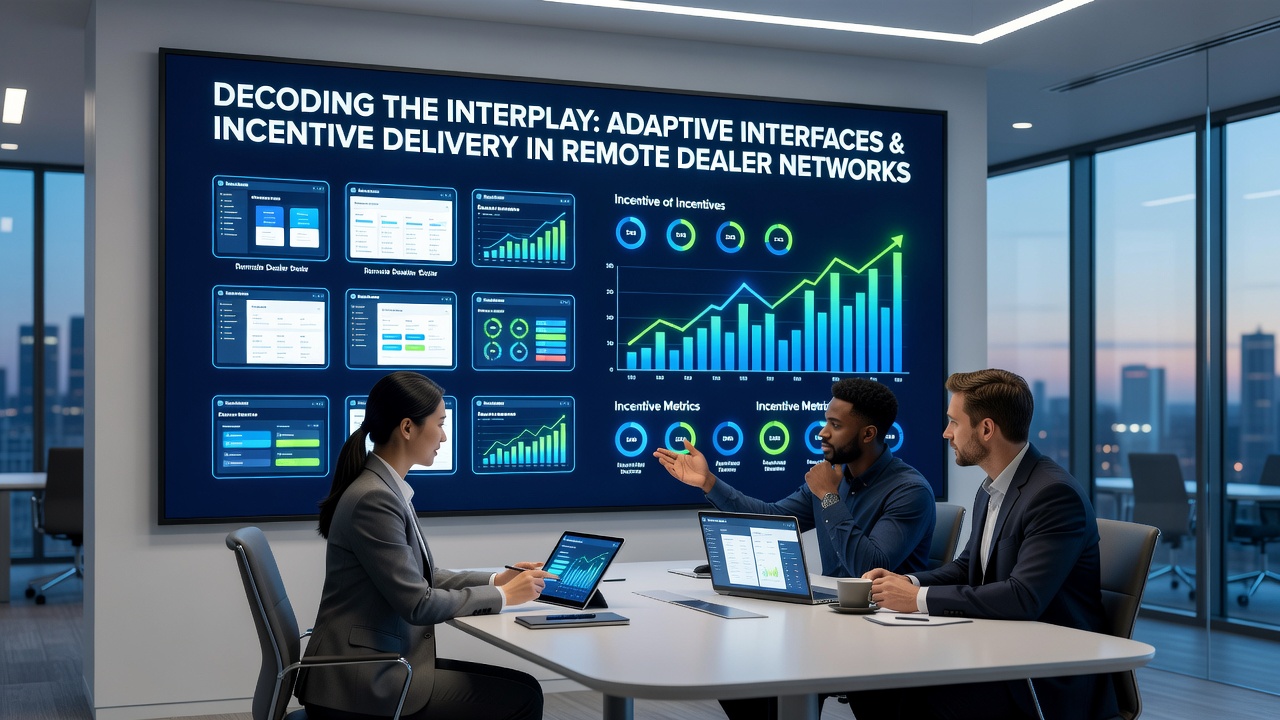
Studies conducted by university research groups in Canada and Australia have examined these shared pipelines and found that latency under 150 milliseconds between detection and display change produces measurable improvements in player retention metrics. Operators who implemented tighter integration between the two systems reported smoother transitions when shifting from standard play to VIP reward sequences, particularly on tablets where screen real estate allows simultaneous display of dealer video and personalized offers.
Regional Implementation Patterns Observed Through Mid-2026
Markets with established remote gaming regulations demonstrate distinct approaches to combining adaptive interfaces with incentive delivery, and updates released in July 2026 by oversight bodies in several jurisdictions emphasized requirements for transparent logging of how interface changes coincide with reward triggers. European operators have leaned toward server-side adaptation that reduces client-side processing demands, while operators in parts of Asia have prioritized client-side customization to accommodate variable network conditions common in mobile environments. These differences appear in technical white papers published by trade associations that track platform performance across borders.
Payment integration also intersects with these systems when incentives include deposit matches or cashback that must confirm transaction status before interface elements update, yet the actual display logic remains governed by the same adaptive rules that handle game controls. One report from an academic consortium highlighted that cross-referencing transaction confirmations with interface state reduced errors in reward display by measurable margins in controlled tests.
Future Refinements Driven by Current Data Trends
Continued collection of interaction logs shows operators testing predictive models that anticipate when a player might benefit from an incentive based on session trajectory, then pre-load the corresponding interface module so activation feels instantaneous. Such testing occurs under existing regulatory frameworks that require clear disclosure of all automated adjustments, and preliminary results shared at industry forums suggest further gains in session continuity when adaptive and incentive layers operate from unified data models rather than separate modules.
Conclusion
The relationship between adaptive interface designs and incentive delivery in remote dealer-led formats centers on shared data flows and synchronized timing that keep both player controls and reward mechanisms responsive without disrupting live dealer interactions. Evidence from platform performance metrics, regulatory filings, and academic analyses indicates that tighter integration between these components supports consistent engagement across devices and regions, while ongoing refinements through 2026 continue to shape how operators implement these systems under current oversight structures.