Infrastructure Networks Enabling Instant Resolutions and Seamless Fund Transfers in Entertainment-Focused Portable Table Experiences
Written by Harper Long · Aug 25, 2026

Infrastructure Networks Enabling Instant Resolutions and Seamless Fund Transfers in Entertainment-Focused Portable Table Experiences
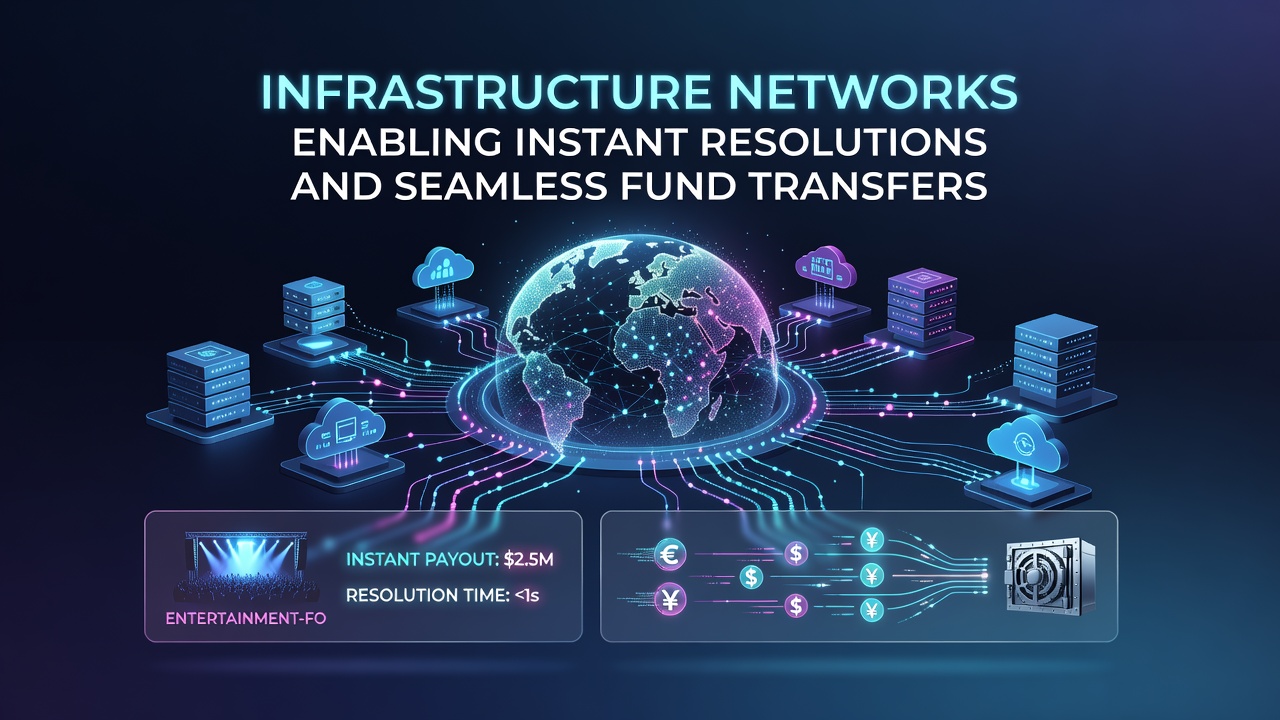
Entertainment-focused portable table experiences depend on layered infrastructure networks that handle game outcomes and financial movements in milliseconds, and observers note these systems combine cloud computing clusters with edge servers positioned near user locations to minimize latency during live dealer sessions on smartphones and tablets. Data from industry monitoring groups shows that operators deploy redundant fiber optic backbones alongside 5G wireless handoffs to maintain continuous connections even when players switch between networks mid-session.
Core Components Driving Real-Time Game Resolutions
Resolution engines process player actions against predefined rulesets through distributed ledger entries that timestamp every card draw or wheel spin, while researchers at technical institutes have documented how these engines synchronize across multiple data centers to produce verifiable results within 200 milliseconds. One study revealed that integration of application programming interfaces from gaming software providers allows instant validation of bets against house limits and regulatory caps, and this setup prevents disputes by creating immutable audit trails that regulators can query on demand.
Portable devices receive encrypted outcome packets through content delivery networks optimized for low-bandwidth environments, yet the same networks also route support tickets to live agents who can trigger manual reviews when automated flags appear. Those who manage these platforms report that August 2026 saw several operators upgrade their resolution layers to incorporate machine learning models trained on historical dispute patterns, and teh upgrades reduced average resolution times by measurable percentages according to internal performance dashboards shared with oversight bodies.
Payment Rails Supporting Seamless Fund Movements
Fund transfer systems link directly to the resolution engines so that winnings credit to player wallets without separate approval steps, and banking partners supply instant settlement rails that comply with anti-money laundering checks performed in parallel. Figures from payment processor consortia indicate that digital wallet integrations now cover over 40 jurisdictions where portable table products operate, allowing players to move funds between game balances and external accounts while sessions remain active.
Security protocols wrap each transfer in multi-factor authentication tokens refreshed every few seconds, and experts have observed that tokenization methods separate sensitive card data from the gaming environment entirely. The New Jersey Division of Gaming Enforcement published guidelines in early 2026 that encouraged operators to adopt these tokenized rails, and compliance reports from licensed sites show full adoption across major mobile platforms by mid-year. What's interesting is how these payment layers also feed loyalty point calculations in real time, so bonuses applied during a baccarat hand appear in the interface before the next round begins.
Geographic Expansion and Regulatory Alignment
Operators expanding into new markets must align their infrastructure with local data residency rules, and several Asian jurisdictions now require on-premise nodes that mirror core resolution databases. European operators meanwhile route traffic through certified hubs in Malta and Gibraltar to satisfy cross-border player protection standards, and data indicates these mirrored setups maintain sub-second synchronization even during peak evening hours. One case involved a platform that added Canadian servers in response to provincial requirements, and the addition allowed uninterrupted service for users crossing time zones without triggering re-authentication sequences.
Industry associations track uptime metrics across these distributed networks, and annual reports from the European Gaming and Betting Association highlight that top-performing operators achieve 99.98 percent availability through automated failover systems. Those failover mechanisms reroute traffic when primary links experience congestion, and the process completes without interrupting ongoing table sessions or pending transfers.
Technical Challenges and Mitigation Strategies
High-volume periods create pressure on both resolution and payment queues, yet load-balancing algorithms distribute requests across available nodes based on current latency readings. Observers note that predictive scaling triggered by historical traffic data prevents bottlenecks during major sporting events that drive increased portable table traffic. Research indicates that encryption overhead remains manageable because hardware acceleration cards handle the cryptographic workload at the network edge.
Support teams monitor dashboards that display real-time metrics for both game resolution and fund movement success rates, and when thresholds drop below defined levels the system automatically escalates alerts to engineering staff. This coordinated approach keeps player experiences consistent even when underlying infrastructure faces unexpected strain.
Conclusion
Infrastructure networks that power instant resolutions and seamless transfers continue to evolve through hardware upgrades and protocol refinements, and the connections between game engines, payment rails, and regulatory reporting systems grow tighter each quarter. Data shows sustained investment in these areas supports the expansion of entertainment-focused portable table offerings across additional regions while maintaining compliance and operational reliability.