The Dynamics of Payment Flexibility in Facilitating Instant Rewards During Live Roulette Game Show Segments
Written by Harper Long · Jun 23, 2026
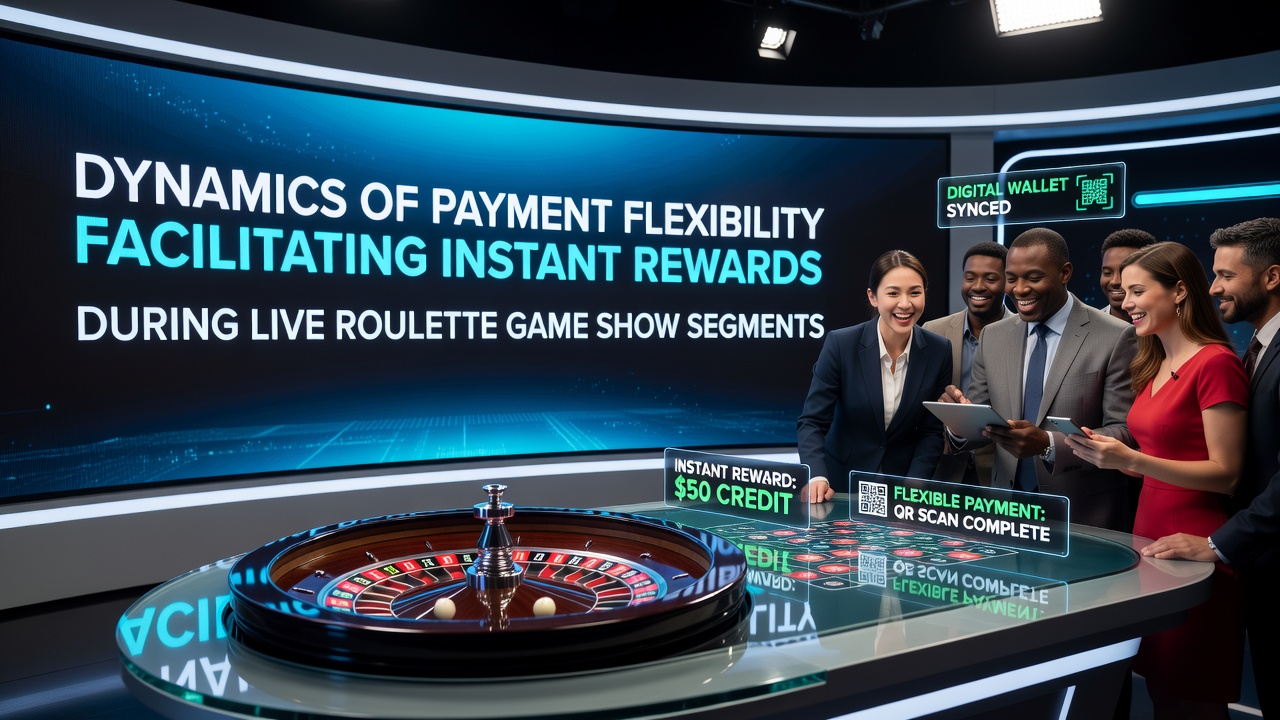
The Dynamics of Payment Flexibility in Facilitating Instant Rewards During Live Roulette Game Show Segments
Live roulette game show segments combine studio-hosted presentations with real-time betting, and payment flexibility plays a central role in delivering rewards without interrupting the flow of play. Systems that support multiple transaction types allow operators to credit winnings directly to player accounts as soon as results are confirmed, and this capability depends on partnerships between gaming platforms and financial service providers that maintain low-latency connections. Data from industry monitoring shows that segments featuring bonus rounds or multiplier wheels generate higher volumes of small, frequent payouts, which in turn require payment rails capable of handling those volumes without batch processing delays.
Operators integrate application programming interfaces from e-wallets, prepaid cards, and bank transfer services to create seamless pathways for both deposits and withdrawals. When a player lands a winning combination during a live segment, the platform triggers an automated verification step that checks account status and jurisdictional limits before releasing funds. This automation reduces the time between outcome confirmation and reward availability to under sixty seconds in many documented cases, and flexible payment options expand the range of accounts that can receive those credits immediately rather than routing them through slower settlement channels.
Transaction Processing in Real-Time Environments
Real-time environments place specific demands on payment infrastructure because roulette spins occur at fixed intervals and game show elements add extra layers of conditional bonuses. Payment gateways that accommodate instant verification protocols enable operators to meet those demands by confirming funds availability and executing credits within the same session. Research conducted by gaming technology firms indicates that platforms using modular payment stacks experience fewer interruptions during peak viewing hours, since alternative methods remain available when one channel encounters temporary congestion.
June 2026 figures released by several North American operators revealed that the share of instant reward claims processed through flexible payment options rose compared with the same period in the prior year. These increases coincided with expanded support for regional digital wallets and faster bank transfer schemes, which together accounted for a measurable portion of total payout volume during live segments. Observers note that the ability to switch between methods mid-session helps maintain engagement when players encounter daily or weekly withdrawal caps on a single account type.
Regulatory Frameworks Supporting Flexible Payments
Regulatory bodies across regions set the boundaries within which payment flexibility can operate. The Alcohol and Gaming Commission of Ontario maintains standards that require clear disclosure of processing times and verification procedures, and operators must demonstrate that their chosen payment partners meet those standards before offering instant reward features. Similar requirements appear in other jurisdictions where live dealer content is licensed, and compliance documentation often includes audit trails showing the exact sequence from spin result to account credit.
These rules encourage the adoption of payment methods that include built-in fraud detection and responsible gambling controls. When a reward is issued instantly, the system must still apply any applicable session limits or self-exclusion checks, and flexible platforms achieve this by embedding regulatory logic directly into the transaction workflow rather than handling it as a separate post-processing step.
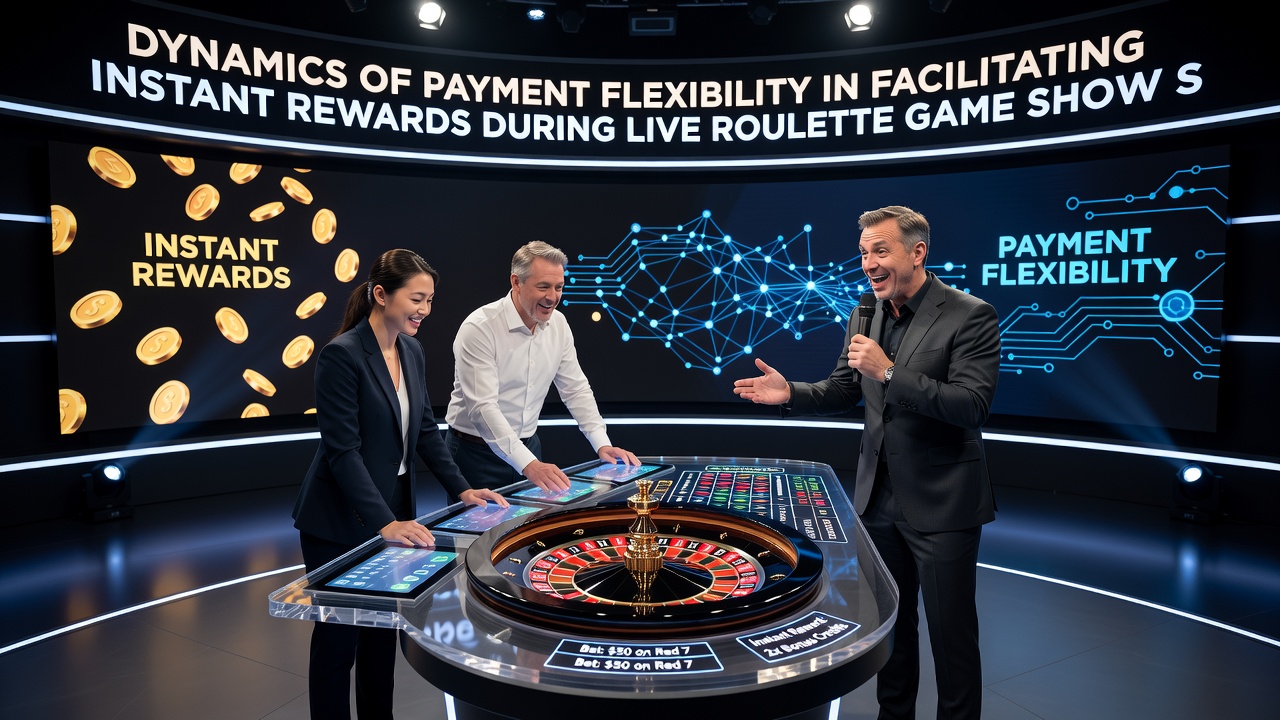
Case Examples from Operational Platforms
One documented implementation involved a European operator that connected its live roulette game show studio to a network of regional payment providers. Players who selected flexible options received bonus credits within the same spin cycle when they triggered a segment-specific reward, and the operator reported that average session duration increased as a result. Another example comes from an Asian market where prepaid card integration allowed instant top-ups during high-traffic evening segments, reducing the number of players who paused play to complete external transfers.
These cases illustrate how payment flexibility aligns with the pacing demands of game show formats. Because segments often include time-limited bonus windows, any delay in reward delivery can reduce participation in subsequent rounds. Platforms that minimize such delays through diversified payment connections therefore maintain higher completion rates for interactive elements.
Technical Integration and Security Measures
Technical integration relies on secure tokenization and real-time status polling between the gaming server and payment processor. When a reward triggers, the platform sends an encrypted request that includes player identifiers and amount details, then receives confirmation once the processor completes its internal checks. Multi-factor authentication layers remain active during these exchanges, yet the overall process completes quickly enough to keep the live broadcast uninterrupted.
Security protocols also address the risk of chargebacks and account disputes that could arise from instant credits. Flexible payment arrangements often include pre-agreed reconciliation procedures that allow operators and processors to resolve discrepancies without reversing rewards already displayed on screen. This arrangement preserves both player trust and regulatory compliance records.
Conclusion
Payment flexibility supports the operational requirements of live roulette game show segments by enabling rapid, verified reward delivery while satisfying regulatory and security standards. Data collected through mid-2026 shows continued growth in the use of diversified transaction methods, driven by the need to match the tempo of interactive studio productions. Operators that maintain robust connections to multiple payment providers position themselves to handle the volume and velocity of rewards that these formats generate, and regulatory frameworks in various regions continue to shape how those connections are implemented and audited.